

Blocked or damaged fallopian tubes are a common reason couples experience difficulty conceiving. The fallopian tubes carry the egg from the ovary to the uterus; any obstruction can prevent fertilization or increase the risk of ectopic pregnancy. At City Fertility Centre on Sinhgad Road, Pune, Dr. Gopalkrishna Gawade — a laparoscopic gynecologist and fertility expert — leads a team offering diagnostics and evidence-based treatments for tubal disease.
To read this blog in Marathi, choose language below.
Common causes include:
- Prior pelvic infections (e.g., untreated PID) damaging the tube lining.
- Sexually transmitted infections (chlamydia, gonorrhoea) that scar the tubes.
- Endometriosis causing adhesions around tubes and ovaries.
- Previous abdominal or pelvic surgery leading to adhesions.
- Hydrosalpinx — fluid-filled, dilated tube caused by distal block and scarring.
Understanding the cause helps choose the right treatment — whether repairing the tube, removing a diseased tube before IVF, or moving directly to assisted reproduction.
A careful history and targeted investigations are essential. Typical diagnostic steps include:
- Hysterosalpingography (HSG) — an outpatient X-ray test where contrast dye is passed through the uterine cavity to see if the tubes are open or blocked. HSG is widely used as a first-line test in fertility workups.
- Sonosalpingography / HyCoSy — ultrasound-based test with contrast that can assess tubal patency without X-ray.
- Diagnostic laparoscopy with chromopertubation — the gold standard when imaging is inconclusive or when surgical treatment is likely. It allows direct visualization of the tubes, detection of endometriosis/adhesions, and simultaneous operative treatment when needed.
At City Fertility Centre, we tailor investigations so you undergo only those tests necessary to make a clear plan.
Treatment is chosen according to the type, location and severity of blockage, patient age, ovarian reserve and overall fertility factors.
- Tubal cannulation (falloposcopy or HSG-guided recanalization)
- Best for proximal tubal occlusion (block close to the uterine end). A catheter or micro-guidewire is used to open the blockage under imaging guidance. Success depends on the nature of the obstruction.

- Laparoscopic surgery (adhesiolysis, salpingostomy, fimbrial repair)
- Minimally invasive laparoscopic techniques can remove adhesions, open a blocked distal end (salpingostomy) or repair damage — appropriate in selected cases where tube length and function are likely to be preserved. Laparoscopy also treats coexisting problems like endometriosis. City Fertility Centre emphasizes minimally invasive, fertility-preserving laparoscopic care.
- Management of hydrosalpinx (important prior to IVF)
- Hydrosalpinx (a fluid-filled tube) is associated with poorer IVF outcomes because tubal fluid can negatively affect embryo implantation. Treating or removing the affected tube(s) prior to IVF improves pregnancy chances. Evidence and clinical guidance commonly recommend salpingectomy (removal) or proximal occlusion of the affected tube before proceeding with IVF in many cases.
- In-vitro fertilization (IVF)
- When tubal repair is unlikely to restore normal function (for example, severe bilateral tubal disease, extensive scarring, or very short remaining tube), IVF bypasses the tubes entirely and is often the most effective route to pregnancy. For patients with hydrosalpinx, treating the tubes before IVF is usually advised to maximize success.
- Combined or staged approaches
Some patients benefit from surgery first (to restore natural fertility or improve pelvic anatomy), while others proceed directly to IVF based on age and other fertility factors. Shared decision-making is critical.
Factors that determine whether tubal surgery will lead to pregnancy include:
- Patient age and ovarian reserve.
- Location and extent of the blockage (proximal vs. distal, single vs. bilateral).
- Presence of other fertility issues (male factor, uterine problems, endometriosis).
- Quality of surgical repair and remaining tube function.
Your fertility team will discuss realistic expectations and alternatives; sometimes a modest chance of natural conception after tubal repair is balanced against the faster path to pregnancy via IVF.
- Led by an experienced laparoscopic gynecologist & IVF expert: Dr. Gopalkrishna Gawade heads the centre — providing over a decade of experience in minimally invasive gynecologic and fertility care.
- Comprehensive diagnostics & personalised plans: From HSG/HyCoSy to diagnostic laparoscopy and IVF counselling, the clinic provides stepwise care tailored to each couple.
- Convenient location & support team: City Fertility Centre at Patil Hospital, Sinhgad Road (Anand Nagar) has a multidisciplinary team including embryologists and trained nursing staff to support your fertility journey.
A: Proximal blockages detected on HSG sometimes can be transient, but persistent blockages typically require intervention.
A: Laparoscopy is done under general anaesthesia; most patients experience mild-moderate discomfort after surgery that improves over days to weeks with appropriate pain control.
A: Yes — many women with one healthy tube conceive naturally. The outlook depends on the health of the other tube and additional fertility factors.
- Initial fertility consultation with Dr. Gawade to review history and prior tests.
- If needed: HSG or HyCoSy to assess tubal patency.
- If imaging suggests tubal disease or hydrosalpinx, discussion of laparoscopy vs. IVF and individualized plan.
Blocked fallopian tubes are a treatable cause of infertility in many cases. The best outcomes arise when diagnosis is precise, treatment is individualized, and the patient understands the realistic benefits and limits of surgical repair versus assisted reproductive techniques. At City Fertility Centre, Sinhgad Road, our focus is on safe, minimally invasive surgery and evidence-based fertility care to give you the best possible chance of a healthy pregnancy.
Our Services
We provide comprehensive care for women of all ages. Right form the reproductive issues to post-menopausal gynecologic problems, every treatment related to female reproductive organs are provided here.

What People Say
About Us
Pallavi M
We got this reference through one of my friend, with full faith we visited the clinic for consultation. We had already taken consultation and treatment from many renowned gynecologist in Pune. Dr. Gopalkrishna Gawade Sir made us feel confident and comfortable in the first visit itself. He explained us the procedure and line of treatment.
Pooja Singh
I am very excited to writing this review. I was suffering from infertility from last 4 years .in this period I consulted so many Doctors but didn't get any result I was very disturbed .after search I met Dr. Gawde he made me relax and suggested some life changes modifications like yoga , suryanamaskar and prescribe some medicine. And after 6 month I got my test +very. Thanks to Dr. Gawade and Dr.Deepali.
Chaitrali Kulkarni
My experience of Hysterectomy by Dr Gawade was wonderful along with post operative care and his communication skills are also good. I am happy and satisfied with pre operative consultation and Surgical technique.
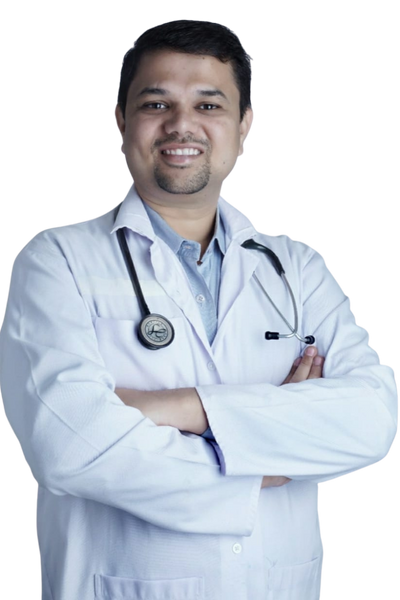
Book Appointment with
Dr. Gopalkrishna Gawade
IVF specialist & Laparoscopic gynecologist
“More than half of all infertility cases are caused by stress. Here’s how to find peace in your life. Smile. Relax. Fall in love with yourself again, because you deserve it. Let us help you through this beautiful journey to attain parenthood.